
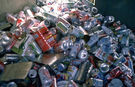
Still wondering why you should bother recycling your aluminum cans? Just ask Greg Wittbecker. He’s the director of Corporate Metal Recycling for Alcoa and a big proponent of boosting the paltry amount the U.S. recycles (52% of cans) to 75%.
 What’s the big deal? Greg says it’s all about energy and waste disposal. “If we could recover and recycle 75% of the aluminum cans being currently tossed into landfills – 600,000 metric tons of aluminum – we could save 1286 megawatts of generated electricity. That’s the amount produced by two coal fired power plants, and consumed by two aluminum plants,” says Greg. “Replacing this production with recycling would keep 11.8 million metric tons of carbon dioxide from being generated and released into the atmosphere.” It would also reduce the amount of mercury going into the environment, since power plants emit polluting mercury when they burn coal.
Why is recycling so efficient? According to Alcoa, recycling a ton of aluminum uses just 5% of the energy required to make virgin metal. Every ton of recycled aluminum that Alcoa uses saves about 14,000 kilowatt hours of electricity. The U.S. Energy Information Administration (EIA) estimates that the average American household consumes 920 kilowatts of electricity per month. Consequently, using 1 ton of recycled aluminum as opposed to 1 ton of virgin aluminum would make enough conserved energy available to power an American household for over 15 months.
Despite the compelling energy savings that accrue from recycling aluminum, we Americans are not recycling as much as other countries. Compared to our 52%, consider how well the nations below are doing:
• Brazil 94.4%
• Japan 90.9 %
• Germany 89 %
• Global Average 63%
• Western Europe 57.7%
Why the diff? On top of the “throw it away” mentality common among American households, many communities don’t make it easy for citizens to do the right thing. More towns and cities need to offer curbside recycling programs or convenient recycling centers. Retailers that sell canned beverages could help, too, by setting up recycling centers on their premises. Eleven states already put deposits on canned beverages to insure that the cans are returned to the manufacturer. The rest should follow suit.
 To find locations where you can recycle nearby, check out earth911. And don’t forget to contact your city administrator or solid waste manager to urge them to make community recycling easier for everyone in your community.